Sam McCall Sam McCall

Performance isn’t just physical: Building Mental Health Into Sport

The Missing Piece in Performance: Developing Mindset, Wellbeing & Consistency in Sport

Over the 2024/25 season, I had the opportunity to work closely within a competitive team environment, supporting athletes in developing the mental side of performance alongside their physical and tactical work.

From the outset, the focus wasn’t on delivering isolated or one-off workshops. Instead, the aim was to integrate mental performance and well-being into the day-to-day environment, making support feel accessible and something players experienced consistently, rather than something they only thought about when things weren’t going well.

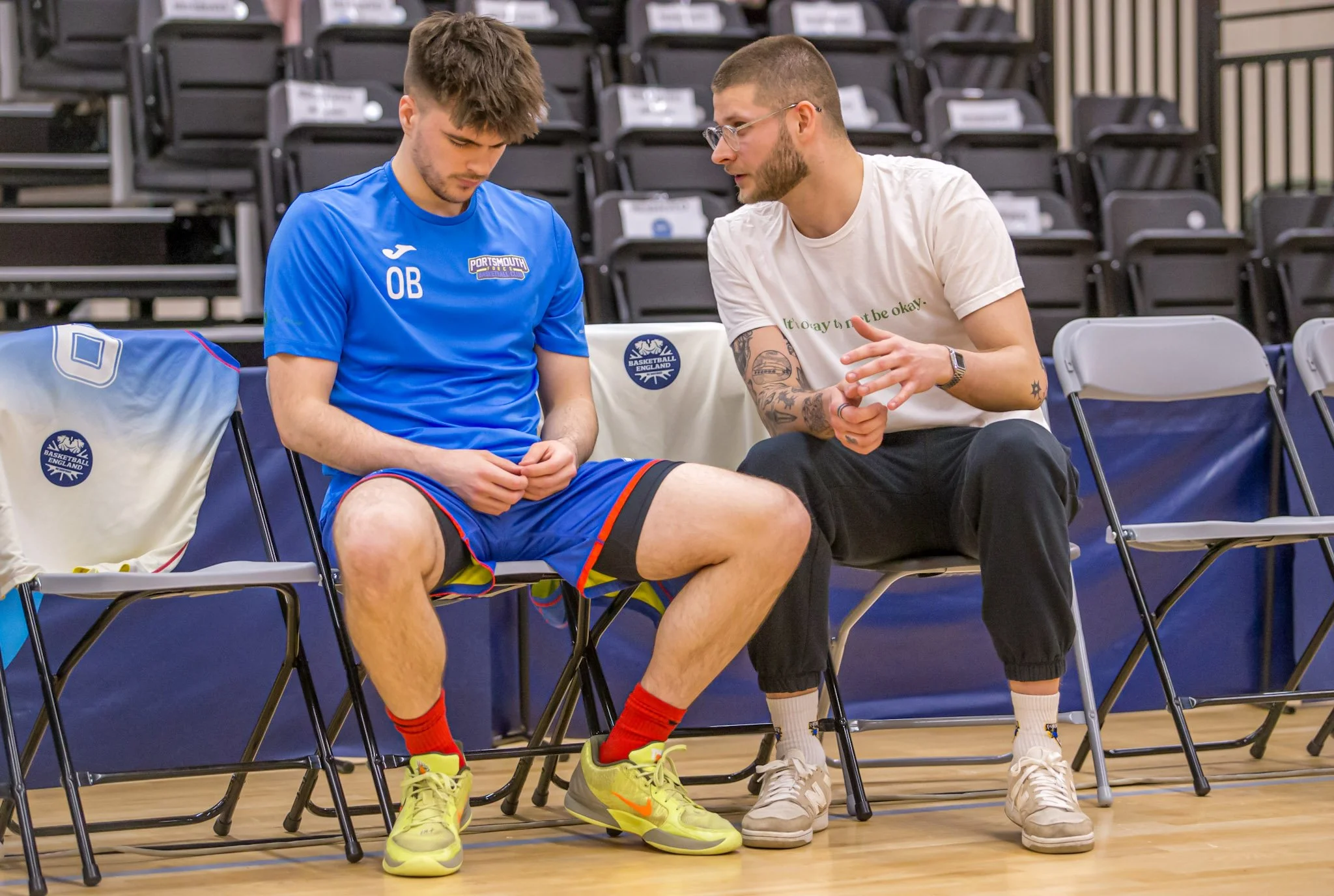
This meant being present within training, contributing in real time, and creating a space where players could both develop and apply mental skills in the same environment they were competing in.

Support across the season included a combination of workshops, in-training coaching, pre-performance preparation, and post-session regulation work. Alongside this, over 15 individual one-to-one sessions were delivered, allowing for more personalised support around confidence, pressure, role changes, and consistency. This balance between team-wide input and person-focused individual depth proved to be key for the results from the season.

Measurable Impact

At the end of the season, players reflected on the impact of the work, and the results were clear.

  • 100% of players reported a positive impact (7/10 or higher)

  • 70% rated the support 8/10

  • 20% rated it 9/10

  • 100% would recommend this support to other athletes

These figures don’t just highlight engagement, but the perceived value of having consistent mental performance and wellbeing support embedded within the team.

Where Players Improved

When asked where they saw improvements in their own performance and mindset, players identified a number of key areas. Rather than being isolated changes, these improvements tended to overlap, which is often the case when mental skills begin to develop properly.

The most commonly reported areas were:

  • Confidence and self-belief

  • Emotional control and regulation

  • Handling stress, change, and setbacks

  • Reducing anxiety and overthinking

  • Improved focus and more consistent performance habits

When developed, they don’t just impact how a player feels off the court, they directly influence decision-making, execution, and the ability to perform under pressure.

Key Areas Of Development

What Changed in Performance

One of the most noticeable shifts was in how players handled pressure. Whether it was late-game situations, free throws, or moments following mistakes, there was a clear improvement in composure. Players were better able to slow things down, stay present, and execute.

There was also a significant reduction in overthinking. Instead of dwelling on errors or getting caught in negative thought patterns, players became more capable of resetting and moving forward. This led to a greater sense of freedom in performance, trusting decisions, playing instinctively, and staying engaged in the moment.

Alongside this, the team environment itself evolved. Communication improved, players became more supportive of each other, and there was a stronger sense of shared accountability across the group.

“I felt much calmer in pressure situations and was able to make more shots.”

“I stopped overthinking and dwelling on mistakes, which made a big difference to how I performed.”.
— Player Reflections

The Role of Individual Support

The one-to-one work played an important role in reinforcing these changes. Across 15+ sessions, players were able to explore challenges in more depth, whether that was confidence issues, managing pressure, adapting to changing roles, or dealing with external stress.

Having that space allowed players to not only understand their own mindset better, but to develop practical tools they could apply immediately in training and games. When combined with the team environment, this created a strong link between awareness and action.

An easy and relaxing space to talk about issues and recieve helpful advice.”

”Enabled me the chance to improve the mental aspect of my game and learn about multiple aspects of mental health in a sporting capacity.
— Player Reflections

Key Takeaways

What this season reinforced is that mental performance has the greatest impact when it is consistent and integrated.

When players are exposed to these ideas regularly, supported in applying them, and given the tools to manage themselves, the changes go beyond short-term improvements. They begin to show up in how players train, how they compete, and how they respond when things don’t go to plan.

It also became clear that mindset isn’t just an individual responsibility. When embedded properly, it becomes part of the team’s identity, influencing communication, standards, and overall performance.

The post-practice sessions helped create a boundary, leaving the game on the court and life outside.”

“The breathing and visualisation made a real difference, I felt much calmer.”
— Player Reflection

Looking Ahead

The progress made this season provides a strong foundation to build on. With a more structured and fully embedded approach, there is clear potential to further enhance both individual development and team performance.

The opportunity now is to continue building consistency, develop leadership within the group, and align mental performance and wellbeing even more closely with coaching and outcome objectives.

Final Thought

Performance isn’t just about what a player can do, it’s about how consistently they can access it.

This season showed that when athletes are given the right support, environment, and tools, they don’t just improve, they become more reliable, more composed, and better equipped to tackle the challenges of high-performance sport and everyday life.

If you’re a club, coach, or organisation looking to build a similar environment:

👉 www.sammccalltherapy.com

Or get in touch to explore how this could work within your team.

Read More